
Reviewed by Candice Louisa Daquin
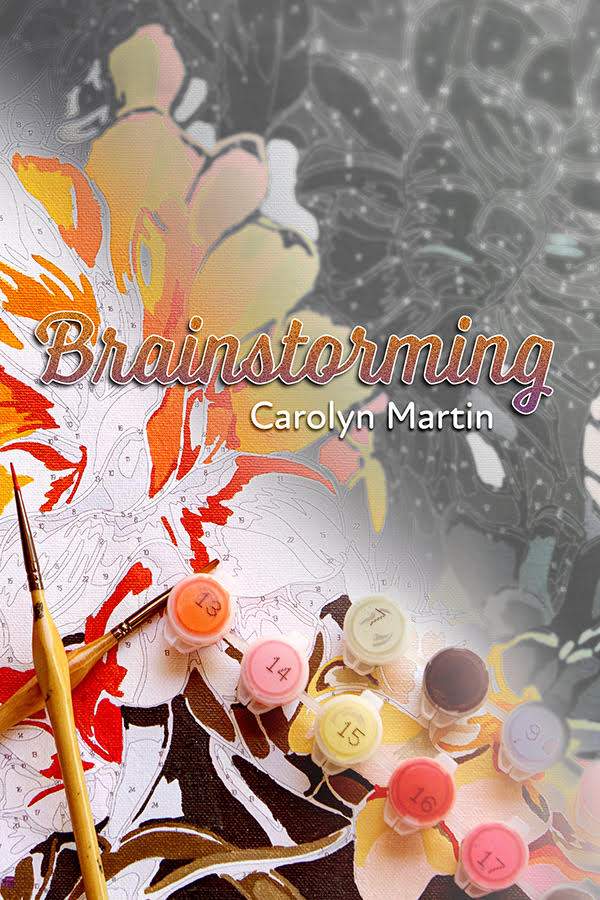
Brainstorming by Carolyn Martin
The Poetry Box, October 2026, 56 pages
$15.OO includes S/H
ISBN: 978-1-965610-36-4
Available from the author at [email protected]
This reviewer met Carolyn Martin eight years ago on an anthology project, knowing nothing more than what her fluid, feeling poetry projected. In subsequent years, it became apparent, Martin was an incredibly resilient, positive-focused human being. So, alongside others familiar with her energy, it was a great shock to hear that she suffered a deadly basilar artery stroke.
Brainstorming is the poetry Martin crafted through her ordeal. In her own words: “Brainstorming is filled with ‘stroke narratives’ that record my physical, emotional, and spiritual experiences during the initial stages of recovery.”
Unflinchingly. this potent collection is both a survivor’s story and a very human journey through unexpectedly deep waters. It is not easy reading what Martin has gone through, but it’s a liminal testimony to the process of recovery. As I read Brainstorming, I felt both tears and joy. Like the best of Mary Oliver’s work, it is in the balance of finding the positive in the midst of a storm that we recognize our collective humanity.
For example, in “From Hospital to Rehab,” Martin recalls not being able to wash for seven days in the hospital and arriving at a rehab center where Ripeness is all I have…. This is especially poignant for any of us who have experienced the absence of basic things.
This poem also talks about the loss of modesty as Martin deals with diapers and other horrors that unfortunately cannot be avoided. It is painful to read this; but, at the same time, Martin shares a spirit of gratitude for the gentle men who shower her, enabling us to inhabit her gains along with her pains.
Never succumbing to self-pity, Martin writes evocatively, beautifully, and memorably. Most poignantly, she identifies what is lost, such as the chores I prided myself on / belong to someone else (“Moving to My New Neighborhood” ). The little erasures that erase selfhood must be unearthed and faced. And this what this collection is about: for Martin, on a deeply personal level, but also for us all.
None of us are getting out of this life alive. Yet it is in the journey, the beloved ritual of living, that binds us together. Martin’s own glue, given how much she’s had to fight her way back to walking and functioning, adheres to poetry, an incredible feat which she’s likely to downplay.
What I return to most in this collection is the revealed vulnerability, which many poets will not let us see, but Martin’s journey of truth requires. For example, in “Morning Ritual,” she says
I suggest it would have been better if I died,
but you look at me horrified,
affirming this journey is ours to share.
Which of us behind closed doors haven’ had this conversation––or one day will? And whilst there is an inevitable horror here, it is in the last line, ours to share, that binds a sky of hopefulness to this honesty.
It’s no surprise then that Martin evokes Zen Buddhism in many of her poems, not least is the deeply emotive, but equally whimsical “Wheelchair Buddhist” where she says: We are what we think, the Master declared. Such contemplation around recovery with the fear “this stroke will last through eternity” doesn’t feel manufactured or prescriptive. It feels like an unfiltered, pure journey; at times heart clenching, but definably human at its heart.
It struck me as ironic that we often learn the most valuable things later in life. Then I had to stop and acknowledge, life isn’t linear. It’s a series of experiences. As such, Martin’s insights don’t come from being 80, because plenty of 80-year-olds shut down. People of all ages do. It comes from the investment the poet’s made in herself to stay open, like a firework brightening darkness with the illumination of her discoveries.
Martin invites us on her journey, not as witnesses, but as fellow journeyers who own the curiosity of children and wisdom of those who know their time here is fleeting but meaningful, especially when we stay open.
Reviewer’s Bio
Candice Louisa Daquin is an Egyptian/French immigrant working as a trauma psychotherapist and editor in San Antonio, Texas. She is currently managing editor with Lit Fox Books, associate editor at Life & Legends, and reviews editor for Austin Poetry Review. Daquin’s award-winning novel The Cruelty centers on locating justice and personal agency in survival. www.candicelouisadaquin.com