

More Alice—Further Fragments, by Matthew Michael Hanner, reviewed by Gayle Kaune
Fans of Michael Hanner’s earlier work, Alice—What I Heard, will be pleased with this charming and inventive sequel, More Alice—Further Fragments. The main character, Alice, is a chimera whose mini adventures coalesce to form a whirligig of her life.
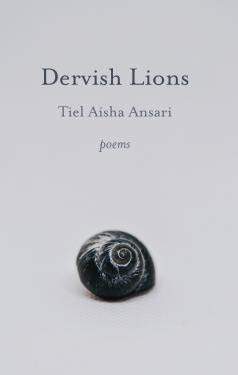
Dervish Lions, by Tiel Aisha Ansari, reviewed by Betsy Fogelman Tighe
Dervish Lions is divided into three sections: “Kingdom of Wind,” “Countries of Origin,” and “Province of Saints.” The first two sections land themselves more firmly in the environment: the first section mostly in Oregon and the second section in ancestral lands which include the more exotic locales in which Ansari spent much of her youth. These sections employ many of Ansari’s regular devices, including simple narrative, mostly declarative sentences, and a flatter diction; for example, For some time I’ve wanted to climb the Marquam Trail/to the top of Council Crest ("Death on the Marquam Trail"). The third section contains most of the more spiritually yearning poems and lifts the book to another level.
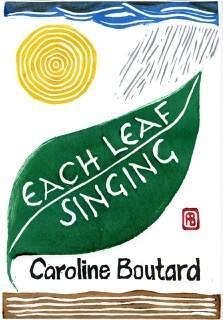
Each Leaf Singing, by Caroline Boutard, reviewed by Melody Wilson
Caroline Boutard’s Each Leaf Singing is a feast for the senses. The cover feels good in your hand, the paper has high rag content, the print is elegant and light. It’s a collection to envy, from the woodcuts on the cover—contributed by the poet’s husband––to her calls back to him from within the poems. This little book is bursting with beauty, love, and first-rate poetry, all without excess. Spare, lean, filled with heartbreak and delight, Boutard’s poems introduce a world we come to know and love.
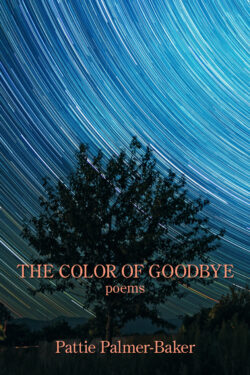
The Color of Goodbye, by Pattie Palmer-Baker, reviewed by Tricia Knoll
Pattie Palmer-Baker knows how to tell a story. In The Color of Goodbye, the story begins with her parents dancing while her father is home on leave in 1943. Yes, he’s going to war. He’s going to see livid things there ––and during later work in Iraq–– that he cannot forget. He will live them and relive them and will look for escape in a bottle of Jim Beam. And his story will inevitably become the story of his wife and his two daughters.
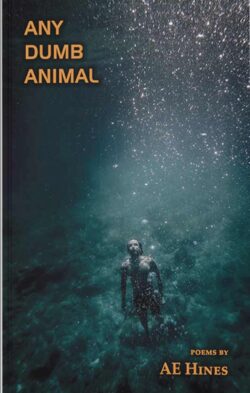
Any Dumb Animal, by AE Hines, reviewed by Jeanne Yu
AE Hines’s first collection, Any Dumb Animal, is a heartful lyrical memoir that centers around three pivotal “Phone Call” poems that open sections entitled “Revival,” “Regret,” and “Rebirth.” Hines revives a myriad of memories: growing up gay with a father who fails him, revisiting his own relationship that ends in divorce, and the wonders of his own adopted son. His unflinching exploration results in self-illuminations that leap off the page touching all that is human.
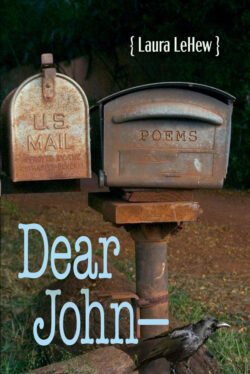
Dear John––, by Laura LeHew, reviewed by Anita Sullivan
Everybody has a love life of some sort. If you're a poet, you are in an excellent position to write about your own version in a way that might be helpful or interesting to others going through the joys and agonies love always provides; comparing notes, so to speak.
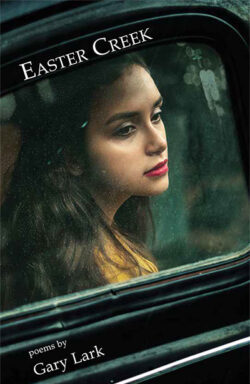
Easter Creek, by Gary Lark, reviewed by Tony Greiner
Gary Lark has long been a favorite poet of mine, starting over 20 years ago when I heard him at a reading. Lark read one of his poems “Fishing” and another by Clemens Starck. I thought it generous of him to spend some of his time celebrating another poet’s work. Lark’s poetry also has this kind and accepting spirit, a heart-softening quality that embraces the humanity of even those who err.
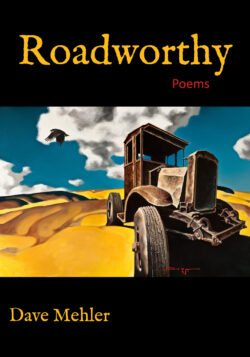
Roadworthy, by Dave Mehler, reviewed by Zeke Sanchez
Dave Mehler is a good writer, a good poet. He writes about his life as a long-haul truck driver. He writes about people struggling with a real life of sequential cigarette breaks between stretches with a hand truck or a forklift, lifting with their arms and backs. Nothing grand. No Great Captains of Industry, no millionaire heart surgeons, no war heroes.
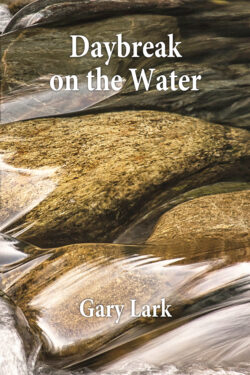
Daybreak on the Water, by Gary Lark, reviewed by Vince Wixon
The epigraph, “I am haunted by waters,” from Norman Maclean’s masterpiece novella, A River Runs through It, prepares readers of Gary Lark’s Daybreak on the Water for a book about fishing and family. As in Maclean’s book, the water is fresh and, in Daybreak’s case, so is the Umpqua River and its tributaries in Southern Oregon where Lark grew up. Water in various locations––rivers, estuaries, the Pacific ocean—runs through all of Lark’s books of poetry. In fact, four of the seven include water in the title: Tasting the River in the Salmon’s Flesh, River of Solace, Easter Creek, and Daybreak on the Water.